
Introduction
Hot tub hire looks simple from the outside. Deliver a tub, fill it, show the customer the controls, drive away. Come back a few days later and collect it. The reality is that for most of that hire your equipment is sitting in a stranger’s garden, full of hot water, wired into their electrics, being used by people you will never meet, with nobody from your business present. Every one of those facts is a risk, and most of them are risks a standard insurance policy was never written to cover.
This guide covers two things that protect a hot tub hire business: the insurance that actually fits how you work, and the safe handover process that keeps claims from happening in the first place. Get both right and you sleep easy through a fully booked summer. Get either wrong and a single incident can cost you the season.
Why hot tub hire is a specialist risk
A leisure centre or a spa runs hot tubs on its own premises, with trained staff, supervised use, and signage everywhere. A hot tub hire operator does the opposite. You hand the equipment over and step back. From that moment the tub is unattended, in a domestic setting, often used late into the evening, sometimes after a few drinks, frequently by children and older guests.
Standard public liability policies are written for the fixed-premises model where you are present and in control. They commonly exclude claims arising from equipment that is out on hire and unattended. That single exclusion is the biggest gap we see in cover that hot tub operators have bought directly or through a non-specialist broker. It is also the exact moment most claims happen.
Specialist hot tub hire insurance is built around the drop-off, multi-day unattended hire, and collection cycle. The cover stays live the entire time the tub is out, whether you are there or not. If you take one thing from this guide, take that.
The insurance a hot tub hire business actually needs
A policy that fits hot tub hire pulls together several covers that work as one. Here is what each part does and why it matters to your business specifically.
Public and products liability
Covers your legal costs and any compensation if a guest is injured or their property is damaged as a result of your tub. This is the cover that responds when someone slips on wet decking, reacts to over-dosed water, or trips on a cable. For hire operators it must extend to unattended hire. Limits run from £1 million to £10 million, with £5 million the common baseline and £10 million expected for some festival, wedding, or venue work.
Equipment cover, all risks
Your tubs and associated kit covered against theft, accidental damage, fire, storm and malicious damage in storage, in transit, and on hire. This applies to inflatable tubs, rigid and one-piece tubs, wooden and cedar tubs, and the extras you send out with them: gazebos, steps, lighting, speakers and covers. A quality rotomoulded tub is several thousand pounds to replace, so this is not optional cover for a working fleet.
Employers’ liability
A legal requirement the moment anyone helps you, including a partner who assists with deliveries or a casual hand during peak season. It covers injury to the people working for you. The minimum legal limit is £5 million and most policies provide £10 million.
Business interruption
Covers lost income if an insured event such as a fire or theft at your storage unit stops you fulfilling bookings. Most operators underestimate how much of the year’s revenue sits in a short peak window. If a two-week claim lands in the middle of summer, this is the cover that keeps the business whole.
Commercial legal expenses
Legal advice and defence cover for contract disputes, debt recovery and injury claims. Useful far more often than operators expect, usually over deposits, damage charges, and disputed bookings.
The cover gap that catches operators out
- Unattended hire. Generic public liability frequently stops the moment you leave the equipment with a customer. Confirm in writing that your liability extends to the full hire period whether you are present or not.
- Equipment in transit and on hire. Some policies only cover kit in storage. You need all-risks that follows the tub to the customer’s address and back.
- Products liability. A skin reaction from incorrect chemical dosing is a products claim, not a simple slip. Make sure the policy responds to it.
Sharrocks arranges hot tub hire insurance through an exclusive facility built for event equipment hirers, with an A-rated UK insurer behind every policy. If you also hire out other event equipment, it can sit on one schedule with one renewal date and one point of contact. You can read the full cover detail on our hot tub hire insurance page.
Safe handover: the process that stops claims
Insurance pays out when something goes wrong. A good handover stops it going wrong in the first place, and it strengthens your position on the rare occasion a claim does land. Insurers look closely at whether the operator followed a documented process. The checklists below are the handover steps that matter most for hot tub hire.

1. Siting and ground
A filled hot tub with people in it can weigh well over a tonne. Where it sits matters for safety and for your liability.
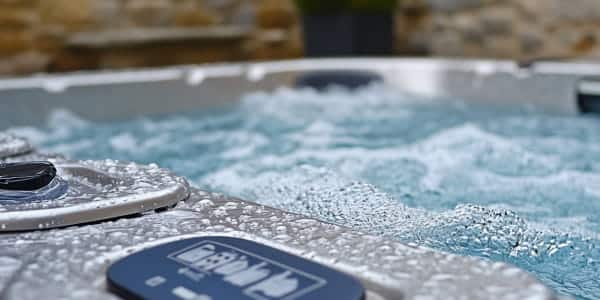
- Place the tub on a level, solid surface that can take the full filled weight. Patios, reinforced decking and concrete are suitable; soft ground, raised decking of unknown spec, and slopes are not.
- Keep a clear, non-slip route in and out. Wet feet on smooth decking or tile is the most common injury setting.
- Check overhead and underfoot hazards before filling: branches, low cables, uneven slabs, trip points.
- Photograph the sited tub at handover. It records the condition and the safe setup you provided.
2. Electrical safety
Water and mains electricity is the highest-consequence risk in the whole hire. Treat it strictly.
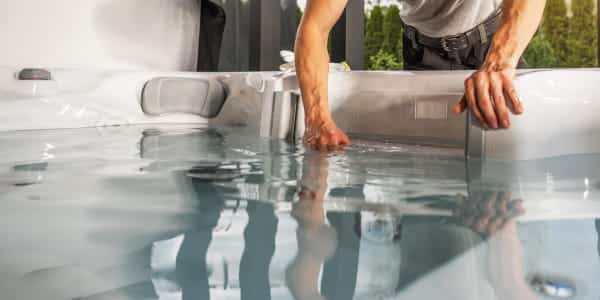
- Connect only to a suitable outdoor-rated socket protected by an RCD. If the property does not have one, do not improvise.
- Never run the tub through daisy-chained extension leads. Use the manufacturer’s lead and any approved extension only.
- Route cables so they cannot be tripped over or sit in standing water, and brief the customer not to move them.
- If you have any doubt about the property’s electrics, stop and resolve it before energising the tub. A refused setup is cheaper than a claim.
3. Water chemistry and chemicals
Chemical handling causes a meaningful share of hot tub claims, usually skin or eye reactions from incorrect dosing. Your handover is where you control this.
- Provide written dosing instructions, not just a verbal run-through. Cover chlorine or bromine levels, pH, and shock dosing.
- Warn clearly against over-dosing and against entering the tub too soon after shock treatment.
- Supply test strips and show the customer how to read them.
Store and transport chemicals safely and keep them out of reach of children at the customer’s property.
4. Bathing safety and the brief
Most injuries are not equipment failures, they are people using the tub unsafely. A clear safety brief at handover is your best defence.
- State the maximum safe water temperature and the recommended time limits for use.
- Advise that children must be supervised at all times and give clear guidance on young children and use after alcohol.
- Recommend that anyone pregnant or with a heart condition or other medical concern checks with their GP before use.
- Set the maximum number of bathers and explain why exceeding it is unsafe.
5. Hygiene and water between hires
Standing warm water carries a genuine infection risk, including legionella, if tubs are not drained, cleaned and refilled correctly between hires. This is both a safety duty and a claims issue.
- Drain, clean and sanitise every tub between hires. Never send a tub out on the previous customer’s water.
- Keep a cleaning and maintenance log for each tub. It demonstrates your process if a claim is ever made.
- Follow recognised guidance on spa pool hygiene. The HSE publishes detailed advice that is worth following and linking to.
6. The hire agreement and documentation
Paperwork is not bureaucracy, it is the single biggest predictor of a smooth claim. Insurers look at it first.
- Use a signed hire agreement that sets out the customer’s responsibilities, the safe-use rules, and the damage and deposit terms.
- Record the handover: the safety brief given, the written instructions provided, and photos of the sited tub.
- Hold a deposit and make the damage policy explicit. This is what your deposit and agreement exist for.
- Keep records for the length of time your insurer requires, not just until the tub comes back.
What a hot tub hire claim actually looks like
These are the patterns that come up repeatedly for hot tub operators. The point of showing them is simple: each one is survivable with the right cover, and far less likely with a good handover.
Slip on wet decking
A guest steps out of the tub onto wet decking, falls and breaks a wrist. Claim value commonly £8,000 to £40,000 and above depending on time off work. Public liability responds, including while the tub is unattended. A non-slip route and a clear brief reduce the chance of it happening at all.
Skin reaction from chemical dosing
A customer adds too much shock treatment and a guest reacts. Products liability claim, typically £3,000 to £15,000 plus legal costs. Written dosing instructions at handover are your best protection.
Theft from the customer's garden
The property is broken into overnight and the tub is taken. Replacement cost on a quality tub runs to several thousand pounds. Covered under equipment all-risks while on hire.
Storm damage in transit
A tub is damaged loading or in transit during bad weather. Equipment all-risks covers it in transit, not just on site, which is why transit cover is not a detail to skip.
How good handover protects your insurance
A documented handover does more than prevent injuries. When a claim is made, the insurer assesses whether you acted reasonably. Signed agreements, written safety and chemical instructions, photos at setup, and a maintenance log all show that you ran a proper process. Operators with that documentation face fewer disputed claims and smaller settlements. The handover and the insurance are not two separate jobs, they are the same job done well.
Get covered the right way
Sharrocks has been insuring UK hire businesses since 1970. Our hot tub hire insurance covers your liability and your equipment in storage, in transit, and on hire whether you are present or not, arranged by advisers who understand how the business actually runs. Get an indicative quote online in minutes, with confirmed terms within 24 hours, or call us on 01795 580800.
FAQs
Do I legally need insurance to hire out hot tubs?
Public liability is not a legal requirement, but it protects you against injury and damage claims that can run to tens of thousands of pounds, and many venue or event bookings will ask for proof of it. Employers’ liability is a legal requirement the moment anyone helps you with the business.
Am I covered while the tub is unattended at the customer's home?
Yes, on a specialist hot tub hire policy. Cover stays in force for the entire hire, including the days the tub is at the customer’s property with nobody from your business present. This is the single most important difference between our facility and a generic public liability policy.
Is the tub covered in transit and during installation?
Yes. Equipment all-risks applies in storage, in transit, during delivery and setup, and throughout the hire. Liability also extends to the installation itself.
What public liability limit do hot tub hire operators need?
£1 million is the entry point, £5 million is the common baseline, and some festival, wedding and venue bookings require £10 million. We offer up to £10 million and can advise based on the work you take on.
Does a good handover process actually affect my insurance?
Yes. When a claim is assessed, insurers look at whether you followed a reasonable, documented process. Signed hire agreements, written safety and chemical instructions, photos at setup and a maintenance log all strengthen your position and can reduce the size of a settlement.
How quickly can I get cover?
An indicative quote takes a few minutes online, with confirmed terms within 24 hours. Same-day cover is available before a hire if you need it urgently.
Author
Alan Doucy is Managing Director of Sharrocks Insurance, an independent FCA-authorised broker specialising in equipment hire, commercial, and property insurance since 1970. With over 15 years of experience arranging specialist cover for UK hire businesses, Alan leads Sharrocks' exclusive event equipment hire insurance facility, trusted by thousands of hire operators across the UK.

